
Disclaimer: This page is an independent educational resource and is not affiliated with or operated by any official organization or service.
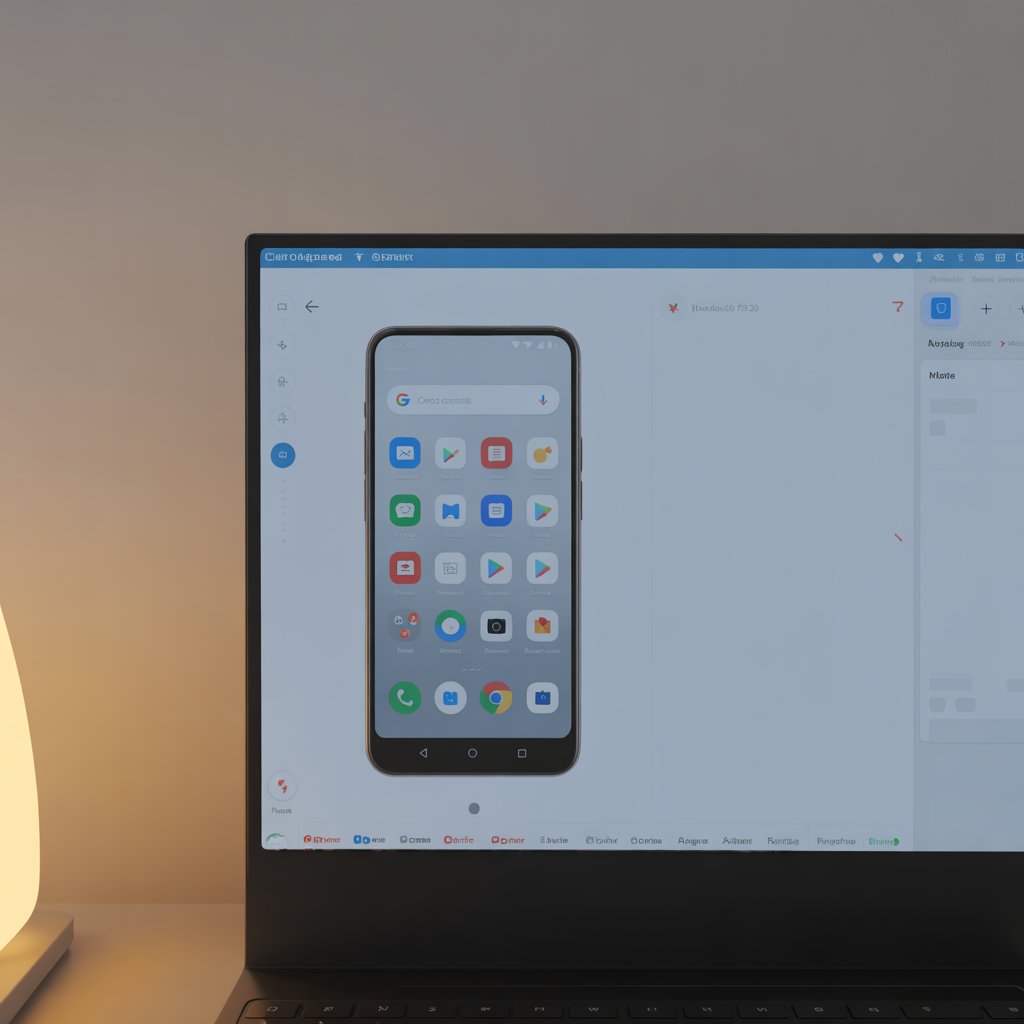
An android emulator operates through defined functional modules that collectively simulate Android system behavior in desktop environments. In an android emulator for pc, these modules replicate essential system processes while maintaining separation from host architecture. The android emulator for windows integrates runtime layers, virtual hardware abstraction, and controlled execution pathways to create a structured simulation model.
Android Emulator Core Modules
Every android emulator contains several core modules:
- Virtual CPU management
- Memory allocation controller
- Storage image handler
- Graphics rendering translator
- Network interface mediator
These modules operate independently but coordinate through shared virtualization frameworks.
Runtime Execution Module
The runtime execution module in an emulator for android is responsible for:
- Loading Android framework libraries
- Managing application lifecycle states
- Processing background service events
- Allocating thread operations
Android on emulator environments rely on this runtime to simulate system-level interactions without granting hardware-level authority.
Android Emulator Graphics and Rendering Systems
Rendering systems translate Android graphics instructions into host-compatible output formats. An android emulator for windows may utilize:
- Hardware-accelerated rendering paths
- Software rendering fallback modes
- Graphics driver translation layers
These rendering paths influence visual consistency and system responsiveness.
Memory and Storage Handling in Android Emulator
The android emulator segments storage into virtual disk images. Memory handling is defined by:
- Static allocation models
- Dynamic adjustment frameworks
- Cache management policies
Within an android emulator for pc, these controls maintain stable system performance while avoiding excessive resource consumption.
Input and Output Simulation
I/O simulation includes:
- Virtual sensor abstraction
- Network condition modeling
- Peripheral mapping translation
The emulator for android processes these through software-defined interfaces rather than direct hardware channels.
Conclusion
The android emulator environment is composed of coordinated functional modules: execution runtime, rendering systems, memory segmentation, and I/O abstraction. In PC and Windows implementations, these modules operate within structured virtualization boundaries, ensuring controlled system behavior and compatibility alignment.